The Inside Scoop on Toddlers and Sharing
an article by Irine Schweitzer, Psy.D., LCSW
One of the most embarrassing moments for me as a parent of a toddler was to invite over some friends with a toddler of their own for a Sunday brunch only to find that any toy the other child touched elicited a howl and a scream from my daughter. There was not one toy that she was willing to share. I was not only ready to die from shame but just could not believe that my angel toddler, on whom I showered my love, affection, time and good will, did not seem to learn from my magnanimity, largess and giving. The thought of “what did I do wrong” plagued me for days, as this behavior did not abate, but only seemed to persist each time we had someone else over with children. I wish I had known then, what I know now.
I wish someone had told me that toddlers are just learning who they are and part of who they are includes what they are playing with, or feel belongs to them. Thus, forcing a child to share is like asking them to give up a piece of themselves. It would be sort of like having another adult come up to us and ask us to share our latte with them, or our car or our money. We would not like someone asking us to share what we feel belongs to us.
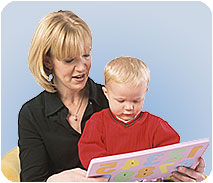
So what can one a parent do? One of the most productive ways to help your toddler and yourself is to avoid telling a child to share and instead teach them to take turns. Teaching them to take turns gives you an opportunity to teach them something that is even more fundamental for their emerging self and identity. The concept of respect. In letting them know that you understand why they want to hold on the toy, you are showing them that their wishes and feelings are being respected. Once they know that you are not going to disregard their wants and desires and insist on giving up their beloved toy, they are going to be more open to listening to what you do want them to do. You might say something like “ I know that you are playing with this toy now. I see that you are really enjoying it. It’s your turn to play with it now. In five minutes, it will be the other girls turn to play with this toy and then I will help you find another toy to play with.”
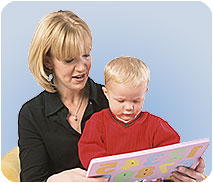
You might also allow the child to decide himself when he is done with the toy by saying” I see that you are playing with this toy now. When you are finished, could you please give this toy to Greg. He is waiting for his turn. While he is waiting, I am going to help him find another toy to play with. It is hard to wait for a turn”. By letting the child decide when she is done, you are teaching them that they can learn to finish playing on their own and feel a sense of satisfaction of making a conscious decision to stop.
You can also encourage the toddlers to begin using their words and facilitate a conversation that might go something like this: “ Oh, Jonny, it looks like Mike is playing with this truck. He has the truck so it is his turn to play with it. But, we can ask him if you can have a turn after he is done. Would you like to do that. Yes? Ok. Let’s go. Say to Mike, can I have a turn after you are done? Mike, what do you think? Can you give this toy to Jonny when you are done with it. He is going to be waiting for his turn”.
Of course, real life somehow is always much more complicated. Jonny does not want to give up the toy, ever. Mike does not want to wait. One grabs the toy from the other. The other pushes, punches, screams, cries. That’s the other part I wished I had know much earlier. Not wanting to share is actually a normal part of a child’s development. Sharing is a skill that a toddler will develop over several years. You are going to having these conversations over and over again before a toddler begins to understand what she needs to do when she wants a toy and what she needs to do when someone else wants her toy.
If we as parents realize that we are actually asking our toddlers to master a very complicated process that involves the ability to tolerate frustration, have patience, have empathy for others and feel whole enough to give up a part of ourselves, we might also develop a bit more respect and patience for our toddlers and for ourselves.
Tips on play dates at home
Make sure to take a few minutes before the other child comes over to discuss with your child which toys they do not want to part of the play date at all. Those toys you can put away in the closet. Then take a look at which toys are similar and decide who is going to get which truck ,which doll, which car, which teddy bear, which kitchen utensil. You might also plant an idea such that “ you know, at some point in the play you might want to switch toys and take turns playing with the other toy.” You might also let your toddler know that you know that they can have a lot of fun together but if they are having trouble, they can come get some help.
If you would like help with becoming a better parent, please call Irine Schweitzer, LCSW at 818 754-4501 or contact Irine via email.